


There was a time when apartment hunting in Tbilisi was mostly about finding the “best price” for the bare bones. Now, it’s gotten more complicated. The city has spread out, and there are certain pros and cons to each district. Looking through flats in Tbilisi for sale usually works better if you break the city down into mini-markets. Defining what things you won’t compromise on from the get-go and then prioritizing those parameters when narrowing the search down to districts and neighborhoods that actually fit those expectations.
As the 2025 Tbilisi property market analysis shows, certain districts tend to be particularly hot right now and primed for strong year-to-year growth. It’s not just about the building, but what surrounds it - transport access, connectivity, building quality, amenities, etc. Tbilisi residential projects that offer transparent information about their standards, building materials and amenities often tend to find themselves best positioned: the headline flat price in Tbilisi per square meter may look similar, but what you’re buying for it may wildly differ.
Why Now’s the Time to Buy a Flat in Tbilisi
The market has calmed down compared to the 2022-2024 years, the “everything moves fast” period. In the first half of 2025, the weighted average apartment price was roughly $1,150 per m², up about 8–9% year‑on‑year. Zoom out, and prices are around 55–60% higher than in 2020. Buyers interested in investing in Tbilisi real estate can count on a sustained demand and the calmer pace gives them room to compare fundamentals more in-depth.
The wider economic picture supports that steadier tone. The World Bank projects that Georgia’s GDP growth has stabilized at around 7%, while inflation is in the 3–4% range. Construction costs have climbed, but the gap between older stock and modern builds is still clear. Sales of new flats in Tbilisi rose by roughly 12%, while deals in older buildings fell by around 11%; prices moved the same way, with new builds appreciating almost four times faster than older units.
Where to Buy: A District‑by‑District Guide to Tbilisi’s Best Neighborhoods
When buyers ask where to buy a flat in Tbilisi, they usually want information about two things: existing benefits versus projected returns. Some districts deliver predictable liquidity; others offer stronger growth potential as infrastructure catches up. Making the best of what’s already here but keeping what could be in mind is the key to successfully investing in real estate.
Saburtalo
Saburtalo is one of the most popular residential districts in the country. It’s not exactly in the center, but close enough to it—it takes only around 20-30 minutes to get to most central districts from Saburtalo, and there are multiple buses and several metro stations that make the journey easy. Besides, Saburtalo is a hub in its own right: residents have multiple universities, hospitals, office buildings, and major shopping centers close by. According to TBC Capital and Galt&Taggart reports for 2025, average prices for new apartments for sale in Saburtalo hover between $1,584 (TBC) and $1,603 per m². That’s above the city average but below premium central districts like Vake or Mtatsminda.
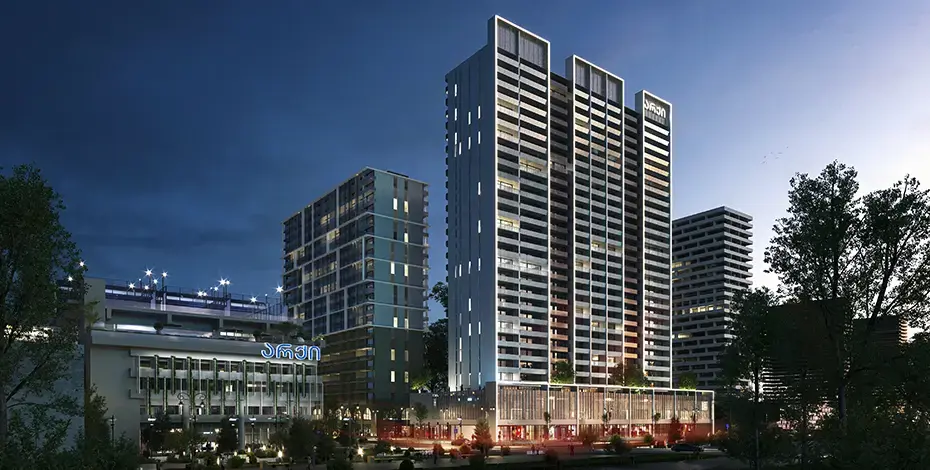
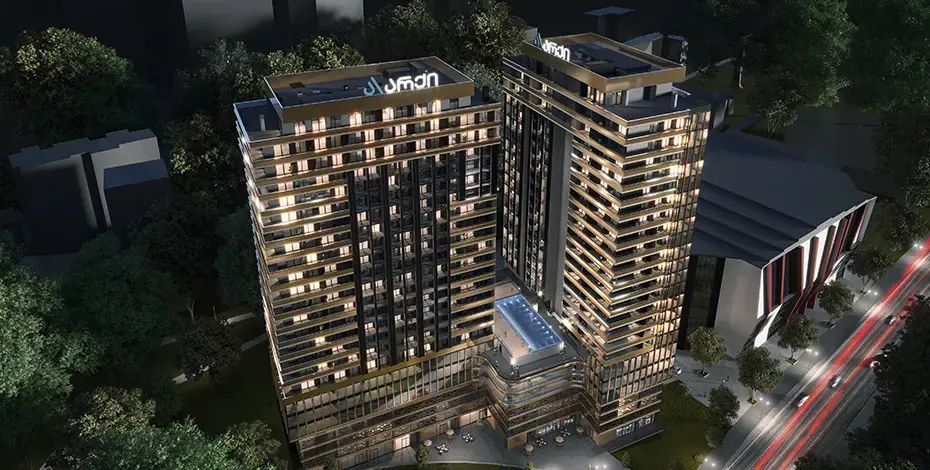
What keeps Saburtalo in high demand is its internal variety. It’s the district where you can find no-frills apartment buildings, old development and new luxury condos a 10-minute walk from each other. Archi King Tamar is one such new development that seamlessly fits into this part of the district: a response to buyers’ increased demands for luxury apartments with higher construction standards, better amenities, and professional building management.
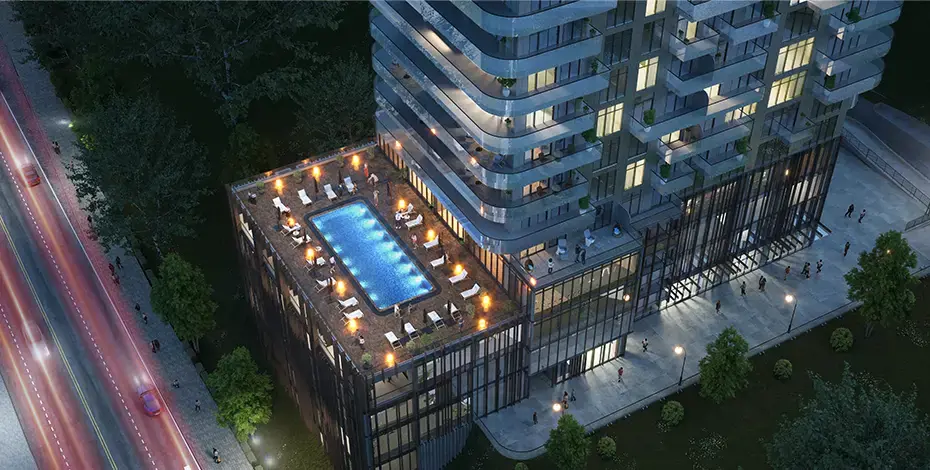
That said, the district is best known for its tightly developed center, where projects cater to ordinary middle-class people, mostly families, young professionals, and students. When looking for flats for sale in Tbilisi, these buyers (or, more frequently, renters) aren’t looking for luxury, but that doesn’t mean they have low standards - modern city dwellers don’t often compromise on construction standards or area safety. Archi Nutsubidze 2 benefits from quieter streets and layouts designed for long‑term living rather than short‑term turnover.
But there’s also an increased demand for more eco-conscious options, cleaner air, and a calmer environment. Saburtalo is somewhat unique in that, despite its tight urban design, there are still a few “green islands” nearby. Near Lisi Lake, for example, you’ll find Archi Lisi Sunrise with its lower‑density planning and landscaped yards that align with the area’s recreational character.
Didi Dighomi
Over the last ten years, Didi Dighomi became one of the city’s main entry points for buyers seeking value. Average prices here are between $1086 (G&T) and $1,120 (TBC Capital) per m², noticeably below central districts. This pricing gap, combined with larger available plots, has driven high transaction volumes in recent years.
Besides, modern buyers like the scale it offers. Newer developments usually aim to create self‑contained residential environments with better amenities. Archi Rivertown, for example, offers green courtyards ,and low‑rise planning can change perceptions of the area. It's an everyday convenience integrating residential blocks with retail and recreational space: Rivertown has an outdoor pool, spa, recreation areas, sports field, cafe, supermarket, and a pharmacy right within its territory.
Ortachala
Ortachala is close enough to Old Tbilisi to be considered a historically important area, but not so close as to skyrocket prices to Mtatsminda and Chughureti levels. In fact, at pricing typically sits below the city’s premium zones (including the abovementioned Saburtalo), but higher than the peripheral districts—somewhat of a “sweet spot” for buyers who want to be close to the center but not so close as to bear its financial brunt. Archi Horizon is a good example of how a development can take advantage of the area’s terrain, using terraced design to open up river and city views. Ortachala attracts residents who want their Tbilisi flat to come with sufficient privacy and want better air quality (but not so much to move away from the capital).
Isani & Samgori
Development has been on the rapid rise in these districts (and it shows in the pricing). New‑build prices in Isani average around $1,200 (TBC) to $ 1,350 (G&T) per m². Its metro access, proximity to major road corridors, expanding retail infrastructure and developing culinary scene consistently pushing demand upward. But really it’s Samgori, the following administrative district, that’s the big hot topic these days: the recorded transaction growth here is up to 45% year‑on‑year. Clearly, there’s been a shift in buyer attention and Samgori is the big winner. The prices here are, as of right now, between $1,100-1,200 but they’re projected to rise fast.
This momentum is visible on the ground, with multiple apartments under construction reshaping entire blocks. Not to be left behind, Archi is also playing its part in the process, with its Archi Isani 3 project, a large, mixed‑use complex. For buyers zeroing in on new build flats in Tbilisi, Isani and Samgori tend to be particularly attractive as they’ve proven real estate here can almost always count on above-city-average future appreciation.
Nadzaladevi
Nadzaladevi has become one of the city’s most closely watched regeneration zones. The district has been one of the most densely populated in Tbilisi for over a decade now, but recent data shows that the demand is only increasing: year‑on‑year price growth is roughly 11%, the strongest among major districts in that period. The thing is, Nadzaladevi is changing the kind of buyers it attracts—once among the more affordable areas with short and stocky, basic apartment buildings, now it attracts large developments with modern amenities, quickly changing the skyline. One such project is Grand Avenue by Archi, once an old factory site that’s now turning into one of the biggest self-sustaining residential complexes in the area. The project comes with all the amenities that modern-day buyers consider attractive these days: lots of green spaces, recreational areas, sports amenities, and co-working spaces. But it also comes with a lot of extra perks that not many development projects in Tbilisi offer these days: school, kindergarten, and even a museum right there on the premises.
What to Look For: Choosing the Right Flat
Choosing the right apartment in Tbilisi is less about finding the biggest space within budget and more about understanding how that space will perform over time - financially and practically.
New vs. Old Buildings
In recent years, buyer behavior in Tbilisi has been remarkably consistent: modern development outperforms older ones. Transaction data shows a clear shift, with sales of new apartments increasing, despite higher prices, while demand for older stock declines. The reasons are practical: buyers point out that new apartment buildings in the country of Georgia have better insulation, safer elevators, underground or organized parking spaces, additional amenities like fitness centers, etc.
Modern buyers are also more conscious of long-term costs: old apartments may look affordable on paper, but maintaining them can become expensive over time. Aging engineering systems, inconsistent maintenance, and ad-hoc renovations often translate into higher monthly costs and resale friction.
Is There Such a Thing as Ideal Size and Layout?
Many “wrong” purchases happen not because the apartment is too small, but because the layout is inefficient. When checking out apartment complexes in Georgia, think about what you’ll need in three to five years instead of focusing only on your current needs.
- Single buyers or couples would benefit more from an open layout, natural light, and convenient storage without wasted space.
- For families, separation becomes critical: each generation should have a separate bedroom, there should be a living area where the family spends time together, and never, never underestimate the need for an extra bathroom — once there’s more than two of you, one bathroom will likely not be enough.
- For investors, liquidity is the key metric. Practical one- and two-bedroom units near transport lines, universities, business districts, or large mixed-use developments tend to rent faster and resell more easily.
When comparing flats for sale in Tbilisi, ask yourself a few simple questions: Would this apartment rent easily at a fair market price if circumstances changed? Even buyers planning to live in the apartment benefit from this perspective, because it protects long-term value.
For a deeper, step‑by‑step guide on choosing the real estate property that feels right to you, check out our blog on how to buy a house in Georgia.
How to Buy a Flat in Tbilisi?
One reason the real estate market in Georgia is so solid is that buying property doesn’t come with bureaucratic red tape, as many other European markets do. Transactions are typically completed within days, and ownership is registered through a single public authority. All in all, it takes 3-4 business days, on average.
And, if one asks, can foreigners buy property in Tbilisi, Georgia - the answer is yes. What’s more, the process for them doesn’t differ much from Georgians. It’s one of the major reasons why international interest has remained consistently high, even during the 2022-2024 price jump era.
There’s also the matter of payment structure flexibility, opening access to apartment investing in Tbilisi to groups that might have been locked out otherwise. Various installment payment systems make the financial burden manageable even for buyers who are not purchasing outright. Especially when developers like Archi offer internal payment plans, cutting out banks (and allowing buyers to save on interest payments). Archi’s portfolio benefits from this flexibility because it covers multiple districts and offers projects at various price points, from more affordable to luxury developments.
Finding the right apartment for sale in Tbilisi ultimately comes down to aligning your non-negotiables with district fundamentals. The location, project, and long‑term demand should balance each other in a way that feels right. The decision to buy a flat in Tbilisi is a long-term commitment. It should be comfortable for residency now and act as a dependable investment for the future. Real estate in Tbilisi is an appreciating asset - but monetary value shouldn’t be the only (or even the main) defining factor in your decision.